Surah Al-Mulk Benefits: The Chapter That Protects at Night
Updated: 24 Nov 2026
3
Of the chapters Muslims keep closest, Surah Al-Mulk holds a special place: it is the surah of the night, recited in the last minutes before sleep by millions who were taught that these thirty verses stand between a person and the hardships of the grave. Understanding the Surah Al-Mulk benefits means looking at what the Prophet ﷺ said about this chapter, what the chapter itself teaches, and how a few minutes of nightly recitation reshapes a believer’s relationship with Allah, with death, and with the world that distracts from both. This guide gathers the authentic narrations, the chapter’s themes, and a practical way to build the habit.
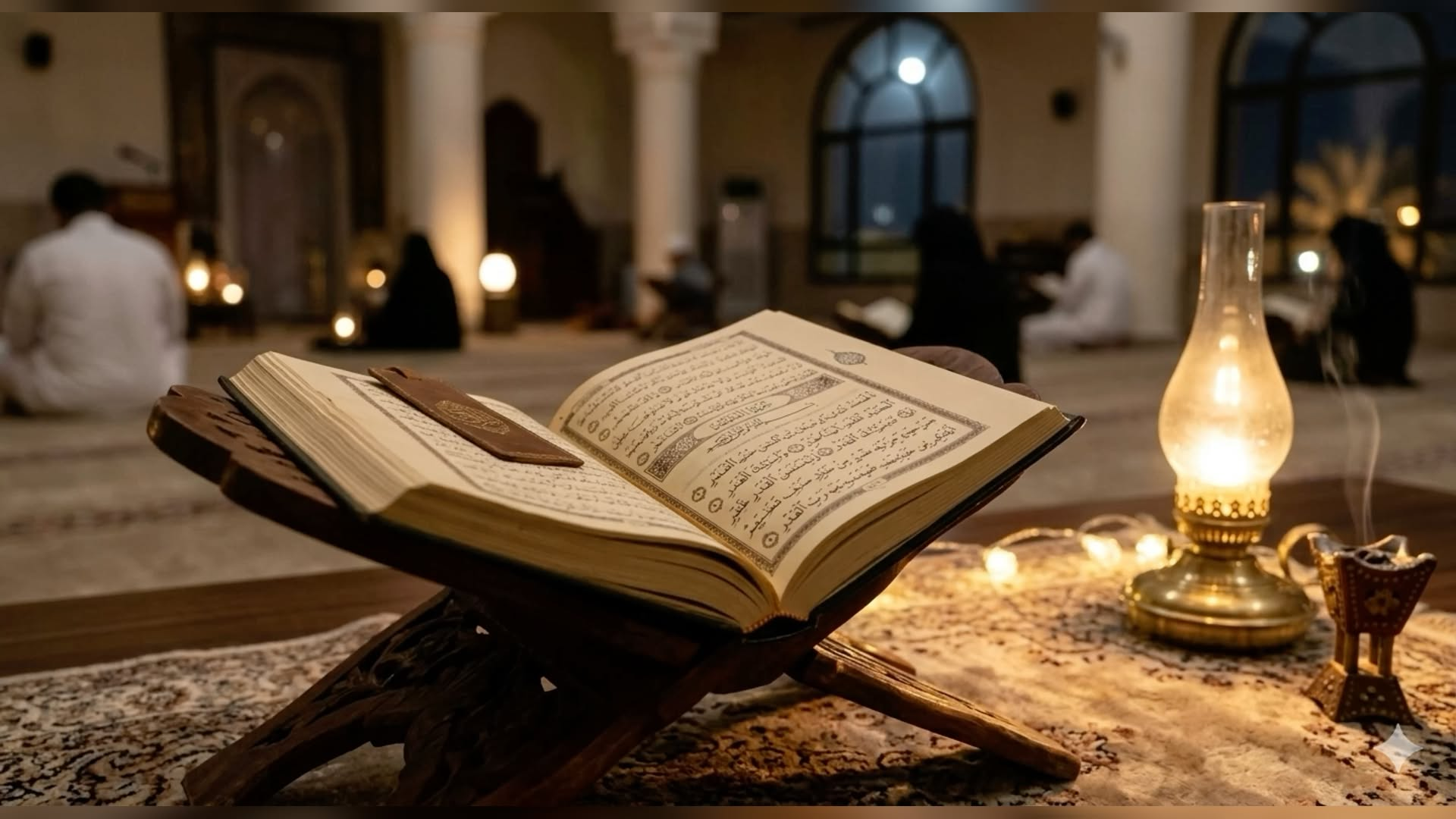
What Is Surah Al-Mulk?
Surah Al-Mulk (“The Sovereignty”) is the 67th chapter of the Quran, revealed in Makkah, comprising 30 verses. It opens with one of the most majestic declarations in the Book: “Blessed is He in whose hand is dominion, and He is over all things competent.” The chapter moves through the perfection of creation — the seven heavens without crack or flaw, the stars as adornment and protection, the earth made manageable for human livelihood — toward a single conclusion: all sovereignty belongs to Allah, and every soul returns to Him. Its short length and its theme, the reality of the world to come, are exactly why it was chosen as a nightly companion: it is a complete reminder in five minutes. Many readers pair it with the Friday chapter discussed in our guide to Surah Al-Kahf benefits — Al-Kahf for the week, Al-Mulk for the night.
The Intercessor: Protection in the Grave
The most famous benefit rests on the narration of Abu Hurairah, reported by At-Tirmidhi and Abu Dawud, that the Prophet ﷺ said: “There is a surah in the Quran of thirty verses, which intercedes for a man until he is forgiven — it is ‘Blessed is He in whose hand is dominion’ (Surah Al-Mulk).” Intercession here means the chapter pleads for its companion: the one who recited it regularly in life finds it arguing his case after death. A second narration, from Ibn Mas’ud, describes the chapter as “Al-Mani’ah” — the Preventer/Protector — that shields its reciter from the punishment of the grave. This is why the scholars of hadith gave Al-Mulk a place in the nightly routine alongside Ayat al-Kursi and the last verses of Al-Baqarah: together they form the believer’s evening protection, recited not as superstition but as a trust placed in the words Allah and His Messenger attached to them.
The Prophet’s ﷺ Own Practice
The strongest reason for the habit is the simplest: it was the Prophet’s ﷺ habit. Jabir ibn Abdullah reported, in a narration recorded by At-Tirmidhi, that the Prophet ﷺ would not sleep until he had recited Surah As-Sajdah and Surah Al-Mulk. Following the Sunnah in the last act of the day carries its own quiet benefit beyond the specific promises: the believer’s final conscious thoughts before sleep are the words of Allah — a reflection on sovereignty, creation and the return to Him — rather than the noise of the day. Many who adopt the practice report the side effect the scholars predicted: sleep comes easier to a heart that has just been reminded Who actually holds dominion over tomorrow.
Lessons the Chapter Teaches Nightly
Recited once, Al-Mulk is information; recited nightly, it is formation. Its verses return to several anchors. Life and death are a test “to see which of you is best in deed” (67:2) — a framing that demotes worldly success and promotes sincerity. Creation’s flawlessness is an invitation to look — “then return your vision twice more” (67:4) — training the eye to see design rather than accident. Provision comes from the Sovereign: the birds held in the sky, the water that could sink beyond reach by morning (67:30) — the chapter’s closing question leaves the reader with dependence on Allah as the last thought of the day. A chapter that rehearses humility, gratitude and accountability in thirty verses is doing pastoral work on its reciter every single night, whether or not any single reading feels powerful.
Building the Nightly Habit
The practice is small; the consistency is the achievement. Attach it to an existing anchor: after Isha prayer, or in bed before the phone’s last scroll — the anchor matters more than the hour. Begin with listening if reading Arabic is still developing: play a recitation and follow the translation, since the benefit narrations concern engaging the chapter, and understanding deepens attachment. Keep a mushaf or app open at the chapter so no night requires searching. If thirty verses feel long at first, remember they take roughly five unhurried minutes — shorter than the average last scroll of the day they replace. Many families recite it aloud together after dinner, which builds the habit in children years before they could build it alone. Miss a night without self-condemnation; simply resume the next — the chapter’s own mercy is the model.
Memorising Al-Mulk: A One-Month Plan
Many reciters eventually want the chapter by heart, and thirty verses divide kindly: one verse a day, with the previous five reviewed each night before adding the new one, completes the surah in a month with the nightly recitation itself doing the revision. The method that works is small and attached — memorise at the same sitting where you recite, using the same mushaf so the page image anchors the words, and recite the memorised portion in the night prayer when you can, since prayer is the strongest fixative memory has. By the month’s end the chapter is no longer read but carried — available in travel, in illness, in the dark — which is when a memorised surah shows its real worth to its companion.
The Bottom Line
The Surah Al-Mulk benefits gather into one picture: a thirty-verse chapter that intercedes for its companion, protects from the punishment of the grave, follows the Prophet’s ﷺ own nightly Sunnah, and rehearses the soul in sovereignty, gratitude and the certainty of return. Five minutes before sleep is a small price for a companion in the grave and a reminder every night of the One in whose hand is dominion. Begin tonight.
Please Write Your Comments